


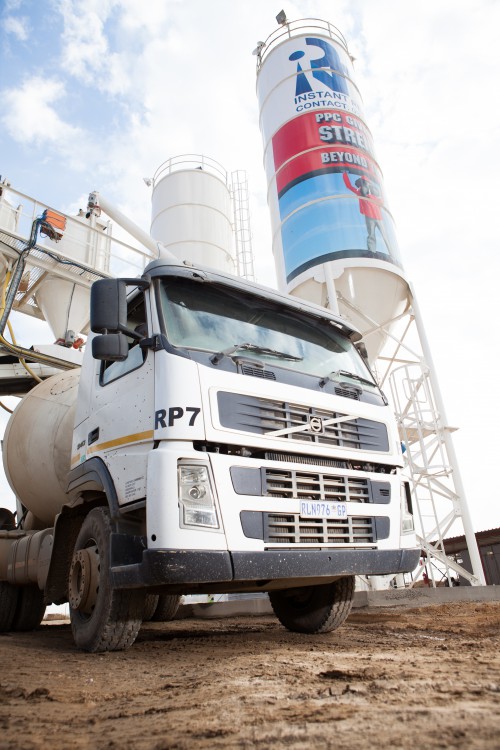
Welcome to Instant Readymix (Pty) Ltd
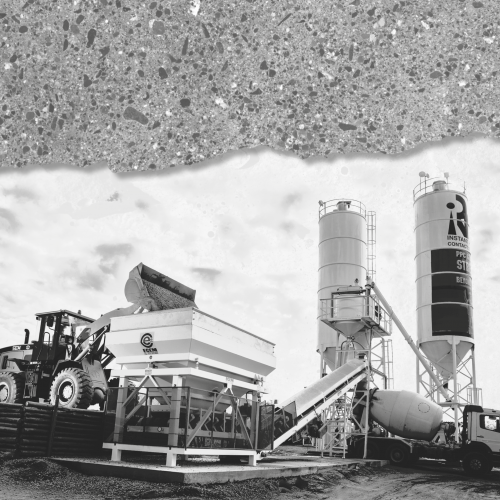
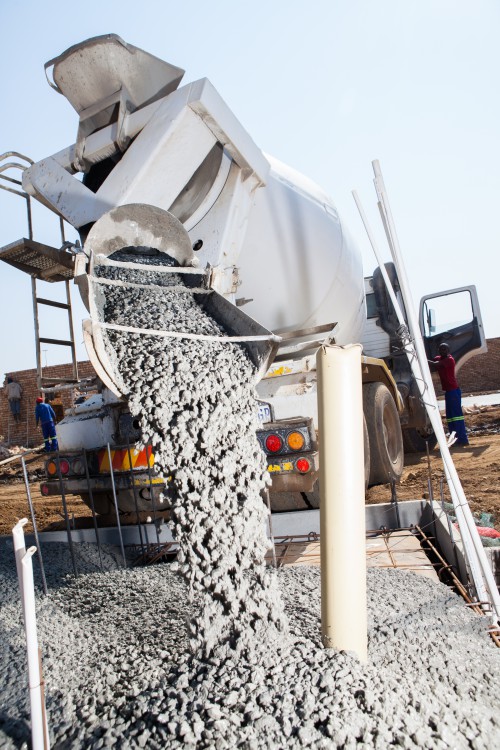
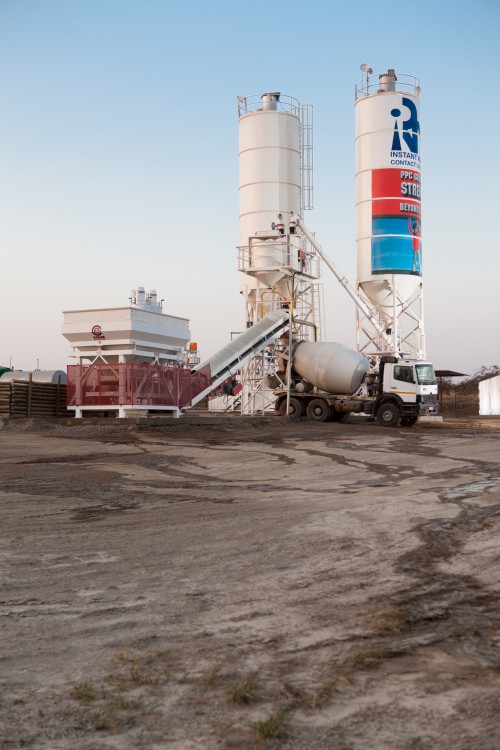
Instant Readymix is an independent, niche producer and distributor of ready-mix concrete on the West Rand.
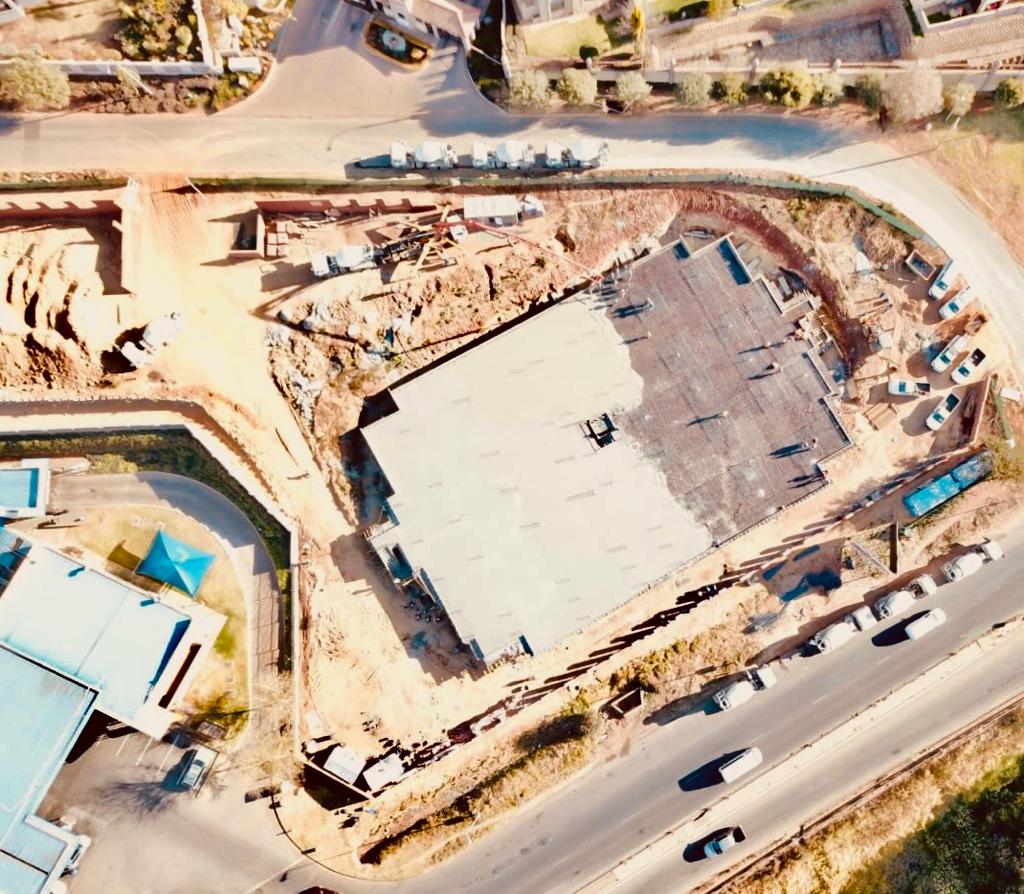
Since 2013 we have predominantly supplied developers across a broad spectrum of projects ranging from residential estates, town house complexes, industrial parks and office complexes in and around our plants situated in Muldersdrift/Honeydew and Laezonia.
Key Services Offered :
44
Team Members
400+
Projects Done
250+
Clients
2013
Established
What we offer
Quality Control
To ensure a quality product at all times, we take great care in utilising only quality materials and aggregates that comply with the relevant SABS standards from reputable and trusted suppliers.
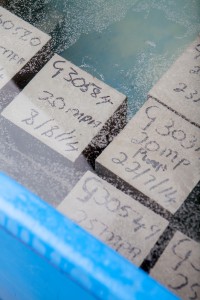
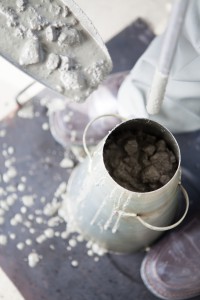
Internally we monitor all concrete batched, taking sample sets for every 50 cubes dispatched.
Our on-site laboratories are maintained to SANAS standards and all test results are monitored daily.
We have Grade-A presses at both sites and these are independently calibrated and tested every six months to give you peace of mind at all times.
Should you require independently verified test results through a SANAS accredited laboratory of your choice, we will gladly comply with any requirements that you and/or your engineering team may require.

Value Proposition
• Quality of our product is imperative;
• Service delivery and accountability is unquestionable;
• Communicate with the customers and suppliers daily;
• Retain close ties to the community;
• Supply concrete in a sustainable way without harming our people, customers and the environment.
• We can assure you of the integrity of our team and our concrete.

Recent Projects
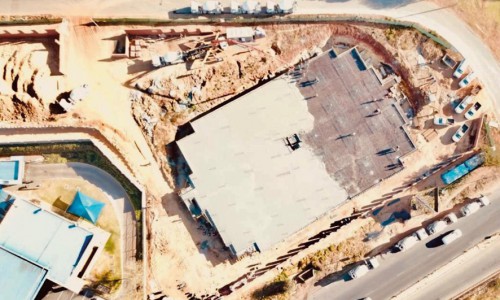
Multi-Purpose Office Complex Clearwater Mall
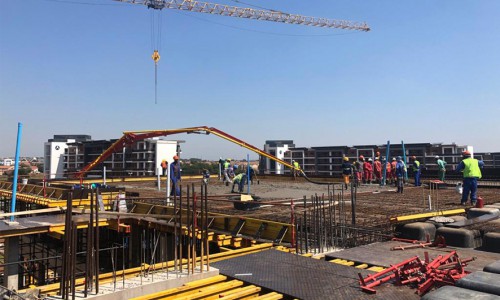
Stadio Campus

Question & Answer
What’s the difference between cement and concrete?
Although the terms are often used interchangeably, cement is actually an ingredient of concrete. Concrete is a mixture of aggregates, ie: sand, stone and Portland cement.
What does it mean to ‘cure’ concrete?
Curing is the most important step in concrete construction, because proper curing greatly increases both concrete strength and durability. Concrete hardens as a result of hydration. (The reaction between cement and water). During the curing period, typically 5-7 days after placement, conventional surfaces need to be kept moist, covered or one can make use of commercially available curing compounds which seal in the moisture.
Can it be too hot or too cold to place concrete?
Extreme temperatures and high winds when exposed can make it more difficult to properly cure concrete. On hot days too much water can be lost via evaporation, and if the temperature drops below freezing, hydration can practically come to a standstill. In general the temperature of concrete should not fall below 10ºC.
Why does concrete crack?
Like all other materials, concrete will slightly change in volume when it dries out. The reason contractors put joints in concrete pavements and floors, is to allow concrete to crack in a neat, straight line at the joint where the volume of the concrete changes due to shrinkage. (On average every 4 metres.)
Why test concrete?
Concrete is tested to ensure that the material and compressive strength meets the required standards specified. Compressive strength is tested by taking concrete samples and making test cubes, curing these in a controlled environment and then measuring the force needed to break these cubes at prescribed intervals as they harden. (This is done at 7 and 28 days).
Why is the cement/water ratio so important?
Too much water in the mix will produce a weaker, less durable concrete that may contribute to early flaking and spalling of the surface.
How do you control the strength of concrete?
The most important factor here is the ratio of water to cement in the paste that binds the aggregates together. The higher this ratio, the weaker the concrete and vice versa.
What is the minimum quantity that I can order?
Although we typically deliver in 6 cubic metre loads, our smallest delivery is 1 cubic metre. This may attract a transport surcharge.
What does 28 day compressive strength mean?
Concrete hardens and gains strength as it hydrates. Although this hydration process continues for many years, it happens rapidly initially and diminishes over time. The ultimate strength will only be achieved over many years. But this would be impractical to measure, hence a time period of 28 days has been specified as the age at which all concrete should be tested .
What are the most important properties of fresh concrete?
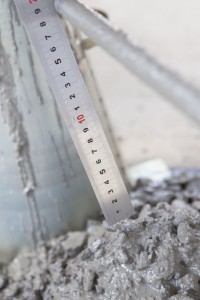
Workability, consistency and segregation. Segregation is the degree at which the mixture binds, ie: stays together.
Why is proper placement so important?
In order to place concrete as homogeneous as possible, with minimal cavities, such as air and water bubbles, thereby ensuring better strength and a quality finish, it is necessary to activate, ie: to excite mass so that each particle takes it’s correct position. This is typically achieved by using a poker vibrator ensuring tightly packed particles and air extrusion.